
Kiefner and Associates, Inc.

Author name: Jessica Quach

Code Interpretation and Compliance – Compliance

Code Interpretation and Compliance Introduction Pipelines are crucial arteries of our economy, transporting hazardous materials, and demand the utmost attention to safety and integrity. With an intricate web of gas transmission and distribution pipelines crisscrossing the US, ensuring their faultless operation is paramount. For professionals in the pipeline sector, comprehending and applying safe operational practices is

Code Interpretation and Compliance – Compliance Read More »
Process Simulation (HYSIS)

Process Simulation (HYSYS) Introduction Process simulation is a foundational tool in chemical engineering, serving as a virtual representation of real-world chemical processes. HYSYS, developed by AspenTech, is one of the most popular software applications utilized for this purpose, providing detailed analysis and optimization capabilities for various chemical processes. Why HYSYS? HYSYS stands out in its

Process Simulation (HYSIS) Read More »

Fatigue and Fracture Mechanics

Fatigue and Fracture Mechanics Pipeline Safety Amidst Defects Pipelines can operate safely even with corrosion defects and cracks. Operators must distinguish between safe defects and those necessitating repair. We employ fundamental, regulatory-approved methods to determine the remaining strength of pipes affected by corrosion and cracking. Understanding Fatigue Failure Fatigue failure arises when a material experiences cyclic

Fatigue and Fracture Mechanics Read More »

Kiefner Leads the Way for the Evaluation of High-Risk Pipeline Systems

Kiefner Leads the Way for the Evaluation of High-Risk Pipeline Systems The Pipeline and Hazardous Materials Safety Administration (PHMSA) recognizes cast and ductile iron pipes as among the highest risk pipeline materials. To address these aging systems, PHSMA issued “A Call to Action” to federal, state, and local regulators to implement utility programs that accelerate

Kiefner Leads the Way for the Evaluation of High-Risk Pipeline Systems Read More »

Stress Assessment of Buried Pipes under Road Crossings or Construction Sites

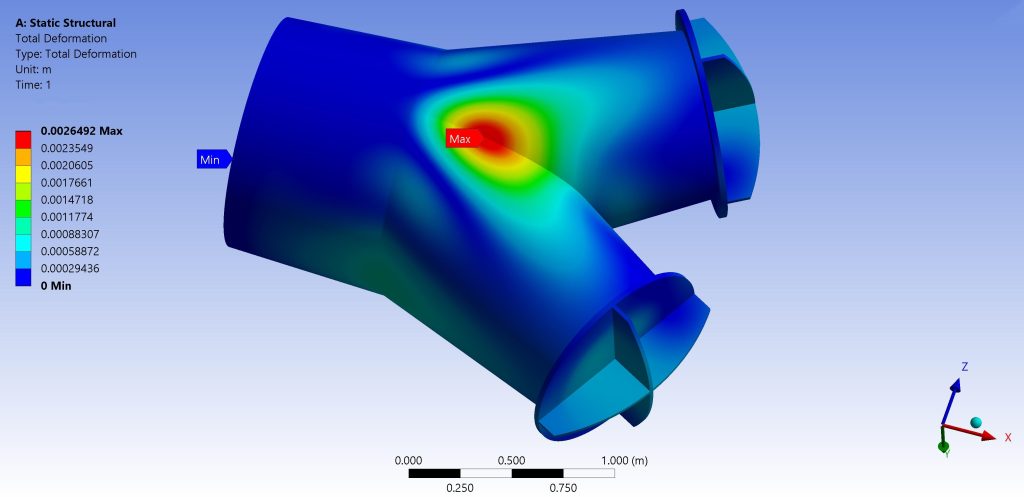
Stress Assessment of Buried Pipes under Road Crossing or Construction Sites Table of Contents: Introduction Analysis Approach Comparison of Kiefner Approach with API RP 1102   Introduction All buried pipes experience loading from the weight of soil overburden. When pipelines cross railroads, roads, parking lots, or construction sites, the pipes also experience live surface loading

Stress Assessment of Buried Pipes under Road Crossings or Construction Sites Read More »

Selective Seam Weld Corrosion – How Big is the Problem?

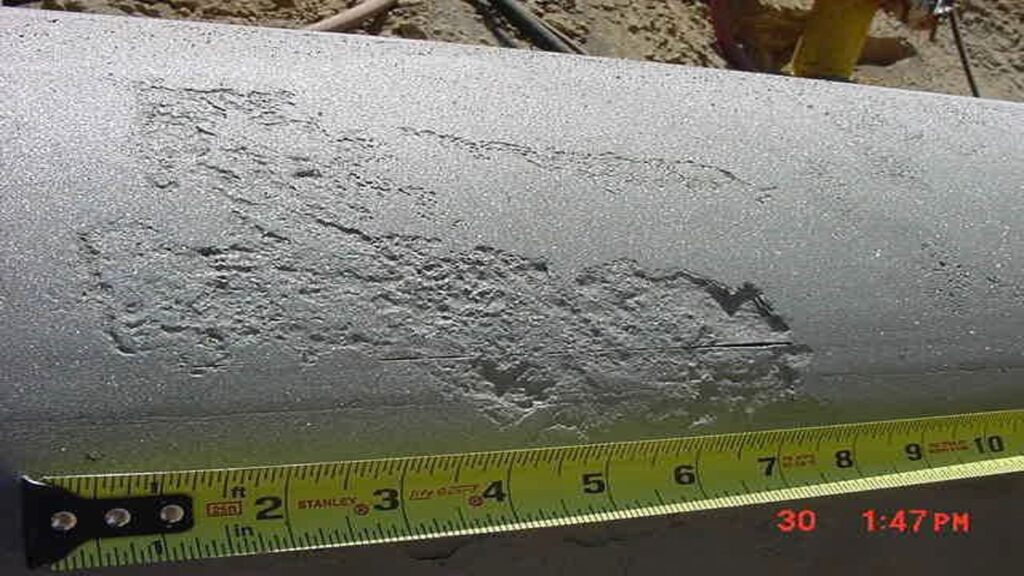
Selective Seam Weld Corrosion – How Big is the Problem? Table of Contents: What Is Selective Seam Weld Corrosion?  Analysis of DOT Reportable Incidents Integrity Implications of SSWC Managing the Threat from Selective Seam Weld Corrosion What is Selective Seam Weld Corrosion? Selective Seam Weld Corrosion (SSWC) is a type of corrosion that affects the bondline

Selective Seam Weld Corrosion – How Big is the Problem? Read More »

Pressure Reversals

Pressure Reversals – How to Identify and Understand the Potential Implications of Pipeline Integrity Table of Contents Introduction Pressure Reversals Considerations for when Pressure Reversals have or are expected to occur Introduction Pressure testing of hazardous liquid and natural gas pipelines is conducted for various reasons, some mandated in U.S. Pipeline Regulations or Industry Standards,

Pressure Reversals Read More »

Geo-Hazard Monitoring of Pipelines using Strain Gauges

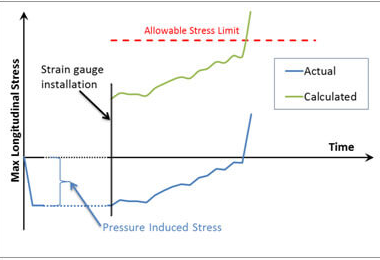
Geo-Hazard Monitoring of Pipelines using Strain Gauges Table of Contents: Introduction Stress near Pipe Bends and Exposed Pipelines The Issue with Preexisting Stress Direction Predicting Preexisting Stresses Introduction Pipelines are sometimes subjected to geo-hazards, such as long wall mining subsidence and slope movement. A commonly practiced method to reduce stress in such situations is to

Geo-Hazard Monitoring of Pipelines using Strain Gauges Read More »

Scroll to Top